Delving into the realm of auto hail damage repairs uncovers a world of hidden costs and intricate details. From minor dents to major repairs, the journey to restoring a vehicle's appearance and functionality is paved with challenges and solutions.
As we dive deeper into the nuances of hail damage repairs, a clearer picture emerges of the complexities involved in assessing, repairing, and insuring against this natural phenomenon's aftermath.
Understanding Auto Hail Damage
Auto hail damage refers to the destruction caused to a vehicle when it is exposed to a hailstorm. Hail is frozen precipitation that falls from thunderstorms and can vary in size from small pellets to large golf ball-sized chunks. When these hailstones strike a vehicle, they can cause cosmetic and functional damage.Some common types of damage caused by hail include dents on the vehicle's body, cracked or shattered windows, chipped paint, and damaged metal panels.
The severity of the damage depends on the size of the hailstones and the intensity of the storm.The impact of hail damage on a vehicle's appearance can be significant, affecting the overall aesthetic appeal of the car. Additionally, hail damage can compromise the structural integrity of the vehicle, leading to potential safety issues and decreased resale value.
Assessing the Extent of Damage
When it comes to assessing hail damage on a vehicle, there are specific methods that professionals use to determine the severity of the damage. By conducting a thorough inspection, they can provide accurate repair estimates and plan the necessary repairs accordingly.
Methods Used to Assess Hail Damage
- Visual Inspection: Professionals visually examine the vehicle to identify dents, scratches, and other signs of hail damage.
- PDR Tools: Paintless Dent Repair (PDR) tools are often used to detect and measure the depth of dents caused by hail.
- Paint Gauge: A paint gauge tool is used to measure the thickness of the paint, helping professionals determine if the damage has affected the paint layer.
Importance of a Thorough Inspection
A thorough inspection is crucial for accurately assessing hail damage on a vehicle. It allows professionals to:
- Identify all areas of damage, including hidden ones that may not be immediately visible.
- Determine the extent of the damage and the best repair approach to restore the vehicle.
- Provide accurate repair estimates to ensure the necessary repairs are completed without unexpected costs.
Repair Options for Auto Hail Damage
When it comes to repairing auto hail damage, there are generally two main options available: traditional dent repair methods and paintless dent repair techniques. Both methods have their own set of pros and cons in terms of cost and effectiveness.
Traditional Dent Repair Methods
Traditional dent repair methods involve filling the dented area with body filler, sanding it down, and then repainting the affected area. While this method can produce high-quality results, it is often more time-consuming and expensive compared to paintless dent repair.
Paintless Dent Repair Techniques
Paintless dent repair, on the other hand, involves using specialized tools to gently massage the dented area back into its original shape without the need for repainting. This method is typically faster, more cost-effective, and preserves the original factory finish of the vehicle.Overall, the choice between traditional dent repair methods and paintless dent repair techniques will depend on the extent of the hail damage, the type of vehicle, and the budget of the vehicle owner.
It is recommended to consult with a professional auto body repair shop to determine the best repair option for your specific situation.
Factors Affecting Repair Costs
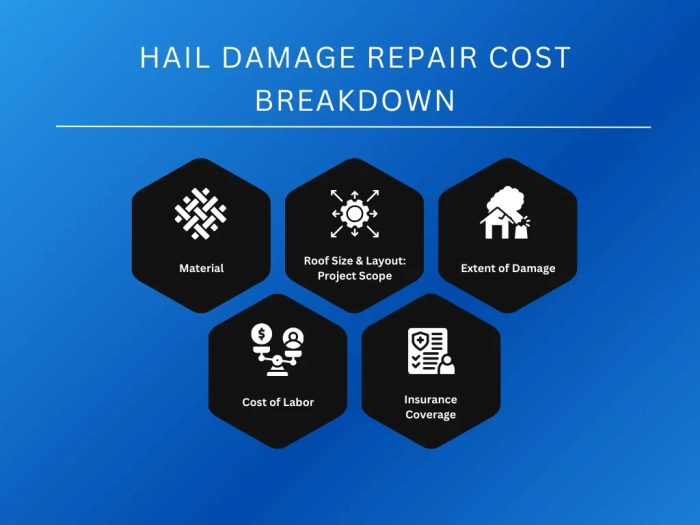
When it comes to auto hail damage repairs, the cost can vary based on several key factors that influence the overall expense. Understanding these factors is essential in determining the final repair bill.
Size and Severity of Dents
The size and severity of the dents left by hailstones on your vehicle play a significant role in determining the repair costs. Larger and more severe dents require more time and effort to repair, which translates to higher expenses. Smaller dents, on the other hand, may be less costly to fix.
Role of Paint Damage
Paint damage caused by hail impacts can also impact repair costs. If the paint is chipped, scratched, or cracked, it may require additional work to restore the vehicle's appearance. Matching the paint color and texture can add to the overall expense of the repairs.
Location of Dents and Labor Costs
The location of the dents on your vehicle can affect repair costs as well. Dents on easily accessible areas may be quicker and less expensive to repair compared to dents in hard-to-reach areas. Additionally, labor costs play a significant role in determining the overall repair bill.
Skilled labor and specialized tools needed for the repair process can contribute to higher costs.
Insurance Coverage for Hail Damage Repairs
When it comes to auto hail damage repairs, having the right insurance coverage can make a significant difference in the cost and ease of getting your vehicle fixed
Overview of Coverage
- Comprehensive Coverage: Typically, hail damage falls under comprehensive coverage, which helps cover damages to your vehicle that are not a result of a collision. This coverage is optional but highly recommended for protecting your car from various non-collision-related incidents, including hail damage.
- Extent of Coverage: Comprehensive coverage can help pay for repairs or even replacement of your vehicle in the event of hail damage. However, the coverage amount may be subject to deductibles and coverage limits.
Filing an Insurance Claim
- Assessment: After your vehicle sustains hail damage, you should document the damage with photos and contact your insurance provider to file a claim. An adjuster will assess the extent of the damage and estimate repair costs.
- Claim Process: Once the claim is approved, you can proceed with getting your vehicle repaired at a certified auto body shop. Your insurance provider may work directly with the repair shop for payment.
Deductible Amounts and Coverage Limits
- Deductibles: You may have to pay a deductible before your insurance coverage kicks in for hail damage repairs. The deductible amount can vary based on your policy, but it is typically a fixed amount you are responsible for paying out of pocket.
- Coverage Limits: Your insurance policy may have coverage limits for hail damage repairs, which could affect the total amount your insurance provider will pay towards the repairs.
Potential Premium Implications
- Premium Impact: Filing a claim for hail damage repairs may result in an increase in your insurance premiums. The extent of the increase can depend on various factors, including the severity of the claim and your insurance provider's policies.
- Considerations: Before filing a claim, it's essential to weigh the potential increase in premiums against the cost of repairs to determine the most cost-effective option for getting your vehicle fixed.
DIY vs. Professional Repairs
When it comes to addressing auto hail damage, individuals often find themselves debating between attempting DIY repairs or seeking professional services. Each option comes with its own set of benefits and drawbacks, so it's essential to weigh the pros and cons carefully before making a decision.
DIY Hail Damage Repairs
For those considering a DIY approach to repairing hail damage on their vehicles, there are a few key factors to keep in mind. While taking matters into your own hands can save money on labor costs, it's crucial to have the necessary skills, tools, and patience to execute the repairs effectively.
Simple techniques like using a hairdryer or dry ice may work for minor dents, but more severe damage could require specialized equipment and expertise. It's also important to remember that DIY repairs may not always yield professional-quality results, which could impact the vehicle's overall appearance and resale value.
Professional Hail Damage Repairs
Opting for professional hail damage repair services offers several advantages, including access to experienced technicians, advanced tools, and high-quality materials. Professional repair shops can often guarantee a higher level of precision and efficiency in restoring the vehicle to its pre-damaged condition.
Additionally, reputable repair facilities may provide warranties on their work, giving customers added peace of mind. While professional services come at a cost, the investment may be worthwhile for those looking to maintain the value and integrity of their vehicle.
Risks of Improper Repairs: It's essential to recognize that improper DIY repairs can lead to further damage to the vehicle's body, paint, and structural components. These issues can not only compromise the safety and performance of the vehicle but also diminish its resale or trade-in value.
Outcome Summary
In conclusion, The Real Cost of Auto Hail Damage Repairs not only sheds light on the financial aspects of restoring a vehicle post-hailstorm but also highlights the importance of professional intervention and insurance coverage. Navigating through the intricate web of repair options and insurance policies, one thing remains certain - the true cost of auto hail damage repairs goes beyond monetary value, encompassing peace of mind and vehicle longevity.
FAQ Summary
What are the different repair options available for auto hail damage?
Repair options include traditional dent repair methods and paintless dent repair techniques.
How do professionals determine the severity of hail damage on a vehicle?
Professionals use methods like paint thickness gauges and trained eyes to assess the damage.
Does auto insurance typically cover hail damage repairs?
Auto insurance policies usually cover hail damage repairs, subject to deductible amounts and coverage limits.
What factors influence the cost of auto hail damage repairs?
Factors like dent size, severity, paint damage, dent location, and labor costs can impact repair expenses.